
In an era where customer satisfaction and retention are paramount, businesses are turning to Customer Relationship Management (CRM) software as a strategic tool to enhance relationships with customers and subsequently boost sales. This article delves into the multifaceted benefits of CRM software, exploring how it improves customer interactions, streamlines sales processes, and ultimately drives revenue growth.
Understanding CRM Software
CRM software is essentially a technology solution that helps businesses manage interactions with current and potential customers. By consolidating customer information into a singular platform, it facilitates better communication and offers insights into customer behavior, preferences, and history. This functionality is vital for businesses aiming to build lasting relationships with their customers.
Key Features of CRM Software
- Data Management: CRM systems centralize all customer data, allowing for easy access and management.
- Automated Processes: Many CRMs offer automation capabilities, such as sending reminders, follow-ups, and customized communications.
- Analytics and Reporting: These systems provide valuable insights through reports, helping businesses understand trends and measure performance.
- Integration Capability: Modern CRM software can integrate with various business tools, such as email platforms, social media, and marketing applications.
The Importance of Customer Relationships
Strong customer relationships are the backbone of any successful business. They lead to increased customer loyalty, repeat purchases, and word-of-mouth referrals. By fostering meaningful interactions, businesses can create a positive customer experience that encourages engagement and ultimately drives sales. Here’s how CRM software enhances these relationships.
Personalization of Customer Interactions
One of the most significant advantages of using CRM software is its ability to personalize customer interactions. With a wealth of data at their fingertips, businesses can tailor their communications based on individual preferences and past behaviors.
Utilizing Customer Data for Personalization
CRM systems collect and analyze data from various touchpoints—such as purchases, inquiries, and feedback—allowing businesses to understand their customers better. This data empowers sales representatives to personalize their approach, leading to more meaningful conversations and interactions.
For example, if a customer frequently purchases a particular product, a business can send targeted promotions or follow-up messages about similar products. This level of personalization not only enhances the customer experience but also increases the likelihood of conversion.
Improved Customer Service
Responsive and effective customer service is a critical factor in maintaining customer loyalty. CRM software enhances customer service by enabling support teams to have complete visibility into customer interactions.
Efficient Issue Resolution
With access to a comprehensive history of customer interactions, service representatives can resolve issues more efficiently. They can quickly reference past communications and previous purchases to provide informed responses, reducing the time it takes to address customer inquiries.
Furthermore, many CRM systems include features like live chat and automated support, which enhance the overall customer experience. Quick and effective service builds trust and fosters loyalty, which can lead to repeat business.
Streamlining Sales Processes
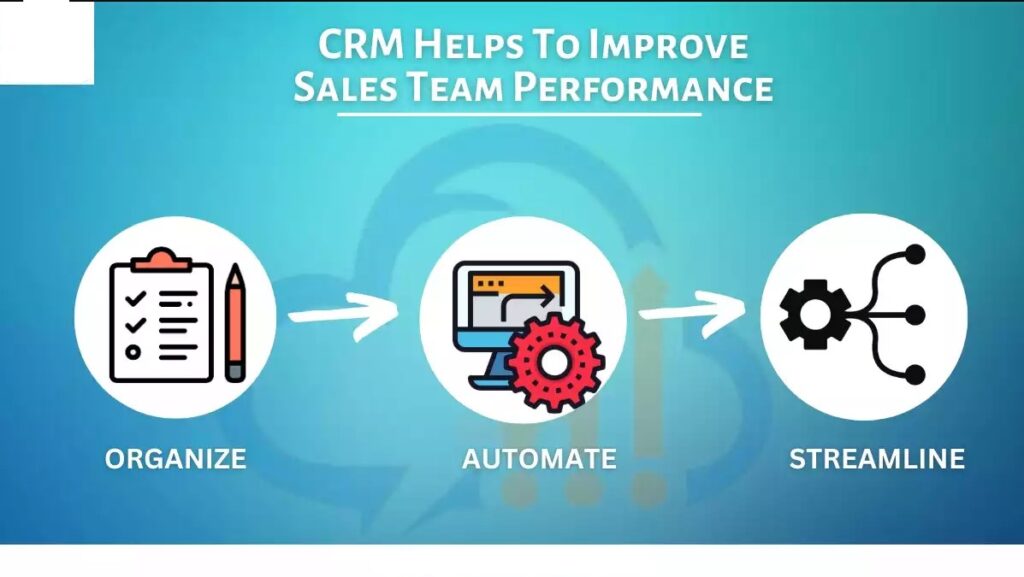
CRM software plays a vital role in optimizing sales processes. By automating routine tasks and providing sales teams with critical insights, CRM solutions enable businesses to close deals more efficiently.
Sales Automation
One of the standout features of CRM systems is their ability to automate repetitive tasks. This automation frees up sales representatives’ time, allowing them to focus on building relationships and closing deals.
Lead Tracking and Management
CRMs help manage leads throughout their buying journey. From tracking initial interest to nurturing relationships until conversion, CRM software provides the tools necessary for effective lead management. This tracking ensures that no potential sale falls through the cracks.
Enhanced Reporting and Analytics
Sales teams often need to analyze their performance to identify areas for improvement. CRM software provides comprehensive reporting features that allow businesses to measure key performance indicators (KPIs) and assess sales activities.
Making Data-Driven Decisions
With access to real-time data, businesses can make informed decisions based on market trends and customer behaviors. For instance, if a particular product line is underperforming, insights from the CRM can guide marketing strategies to revive interest and boost sales.
Boosting Sales through Improved Marketing Strategies
CRM software not only enhances customer relationships and streamlines sales processes, but it also supports marketing efforts. By harnessing customer data, businesses can refine their marketing strategies and enhance their outreach.
Targeted Marketing Campaigns
With detailed customer insights, businesses can create highly targeted marketing campaigns. Instead of generic promotions, businesses can tailor their marketing messages to specific customer segments, increasing engagement and conversion rates.
A/B Testing and Performance Tracking
Many CRM systems facilitate A/B testing for marketing campaigns, allowing businesses to experiment with different approaches. By analyzing campaign performance through the CRM’s reporting tools, businesses can refine their strategies for maximum impact.
Building Customer Loyalty
In the quest for boosting sales, businesses must not overlook the importance of building customer loyalty. CRM software can play a crucial role in this regard by fostering long-term relationships.
Loyalty Programs and Incentives
CRM systems can help manage customer loyalty programs by tracking points, purchases, and rewards. Effective loyalty programs encourage repeat business and can significantly boost sales over time.
Customer Feedback Mechanisms
Another key feature of CRM software is its ability to collect and analyze customer feedback. By soliciting opinions after purchase or providing platforms for reviews, businesses can gather insights to improve their offerings.
Ensuring Continuous Engagement
Continuous engagement with customers is essential for maintaining loyalty. CRM software enables businesses to stay in contact through personalized newsletters, updates, and exclusive offers, helping to keep the brand top-of-mind.
The Future of CRM and Customer Relationships
As technology continues to evolve, so too will CRM software. Emerging trends such as artificial intelligence (AI), machine learning, and predictive analytics are shaping the future of customer relationship management.
AI-Powered Insights
Integrating AI with CRM software can provide businesses with deeper insights into customer behaviors and preferences. Predictive analytics can help anticipate customer needs and optimize engagement strategies, further enhancing relationships and driving sales.
Omnichannel Integration
Customers today interact with brands across multiple channels. Future CRM solutions will likely offer enhanced omnichannel capabilities, allowing businesses to engage customers seamlessly across platforms—in person, online, social media, and beyond.
CRM software is an invaluable asset for businesses
In conclusion, CRM software is an invaluable asset for businesses looking to enhance customer relationships and boost sales. By leveraging data-driven insights, personalizing interactions, and streamlining sales processes, organizations can foster loyalty and drive revenue growth. The ability to automate tasks, manage leads effectively, and develop targeted marketing campaigns enables businesses to thrive in a competitive environment.
Investing in CRM software is not just a technological upgrade; it is a strategic decision that can transform how businesses interact with their customers. As we move forward into a more digital landscape, the importance of building and maintaining strong customer relationships will continue to grow.
Enhancing customer interactions and driving sales is not just about transactions—it’s about understanding the customer at every touchpoint, and CRM software is the key to unlocking this potential.